History
Key Information
History
History
The History curriculum at Cranford Park Academy uses the high-quality Kapow Primary History scheme to ensure pupils gain cumulative, and chronologically-secure knowledge. We aim to build critical thinking and enquiry skills, empowering pupils to analyse evidence and construct historical accounts. The curriculum actively promotes equality of
opportunity and celebrates diversity by linking historical study to fostering empathy and appreciation for the complexity of human lives. History is brought to life through immersive trips, workshops, and objects. The scheme effectively supports staff confidence, provides clear assessment opportunities, and is enhanced by purposeful enrichment to ensure all pupils leave as confident, knowledgeable historians.
Intent
In line with the National Curriculum, we aim for all pupils to develop a secure
chronological understanding of local, British and world history, alongside a growing awareness of how historical events, people and societies have shaped the world we live in today.
Early Years Foundation Stage (EYFS)
In EYFS, the curriculum includes two units specifically designed around the
history-related Development Matters statements. These units incorporate a mixture of adult-led activities and child-initiated learning opportunities, which are carefully selected by teachers to align with existing Reception class themes or topics. This foundational stage introduces the core idea of chronology by exploring personal histories and time (past, present, future), and builds early substantive knowledge by comparing characters
and historical figures to foster an awareness of societal change.
Key Stages 1 and 2
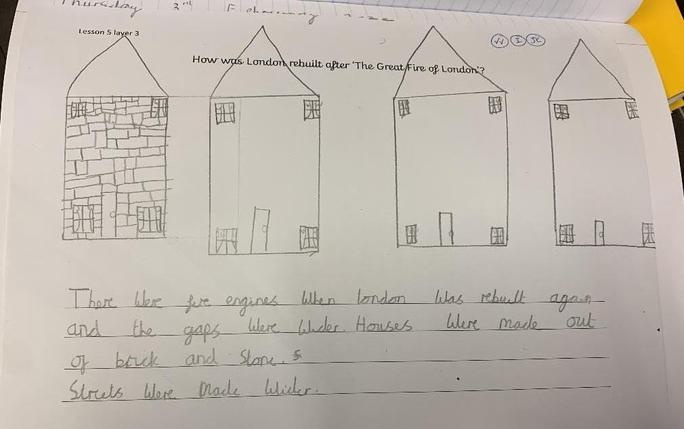
In Key Stages 1 and 2, all units are framed by a central enquiry-based question. Children are systematically guided through the historical enquiry cycle: Question, Investigate, Interpret, Evaluate and conclude, and Communicate. This cycle allows pupils to actively engage with history as historians do.
Using the Kapow Primary History scheme of work, we ensure that learning is coherently planned, inclusive and progressive. Pupils build both substantive knowledge (key events, people and periods) and disciplinary knowledge (how historians investigate, interpret and debate the past).
Through this approach, our curriculum enables pupils to:
● Ask perceptive questions and think like young historians
● Develop a strong sense of chronology and historical context
● Respect and value diversity by exploring a wide range of societies, cultures and viewpoints
● Understand change, continuity, cause and consequence and historical significance
● Recognise that history can be interpreted in different ways and that
bias may exist. Feel confident to challenge assumptions and interpret evidence.
● Make meaningful links between local history, including Hayes and the wider borough of Hillingdon, and national and global events.
● Develop rich historical vocabulary and transferable skills that support learning across the curriculum.
Our aim is for pupils to leave primary school with the confidence, secure historical knowledge and a curiosity to continue exploring the past independently.
Implementation
History at Cranford Park Academy is taught through Kapow’s structured, spiral curriculum, ensuring consistency, progression and depth from EYFS to Year 6. We implement our History curriculum through the following key approaches:
1. Carefully sequenced units
Units are thoughtfully sequenced to revisit and build upon prior learning, helping pupils develop a secure chronological framework. Knowledge and skills are progressively deepened across year groups.
2. Enquiry-based learning
Each unit is driven by a key historical enquiry question. Pupils investigate the past through sources, artefacts, images, texts, discussion and role play, mirroring the work of historians and encouraging critical thinking.
3. Substantive and disciplinary knowledge
Teaching explicitly develops:
● Substantive knowledge of significant people, events and eras. Key substantive concepts—power, invasion, settlement and migration, empire, civilisation, religion, trade and culture—are introduced in Key Stage 1, clearly identified in Lower Key Stage 2, and revisited in Upper Key Stage 2. The spiral curriculum model ensures previous
knowledge and skills are constantly returned to, reinforced, and built upon in increasingly complex historical contexts.
● Disciplinary skills, including analysing sources and evaluating evidence, identifying bias, understanding cause and consequence, recognising change and continuity and exploring different interpretations.
4. Inclusive and engaging pedagogy
Lessons are designed to be accessible to all learners, including pupils with SEND, EAL learners and disadvantaged pupils. Teaching includes practical activities, high-quality visuals and imagery, vocabulary scaffolding, retrieval practice and structured discussion. Teachers use Knowledge Organisers for each unit to support pupils in building a foundation of factual knowledge by encouraging the recall of key facts, concepts and
vocabulary.
To ensure a high standard of delivery, the Kapow scheme provides crucial subject knowledge guidance and CPD resources within each unit, specifically designed to build staff confidence. Furthermore, detailed guidance on how to adapt teaching is available for every lesson, with effective scaffolds and support put in place to ensure pupils with SEND
make good progress, and challenging opportunities are provided to stretch children working at greater depth.
5. Local history and community links
Learning is enriched through links to Hayes, our local area and the school community, helping children understand how historical events have shaped their own surroundings.
Pupils encounter a multitude of experiences that highlight the diversity of cultures, traditions and achievements that contribute to our collective history.
Opportunities are provided to learn about the contributions, struggles and resilience of African communities throughout history. Any misconceptions pupils may have about the role of Black people in the past are challenged.
Pupils build enquiries around the achievements of significant individuals. Many minority groups are under-represented in written accounts from the past, so at Cranford Park Academy a varied range of sources, including oral histories, artefacts, art, and archaeological findings, are used to provide a more comprehensive view of history.
The Kapow educational materials reflect a broad spectrum of perspectives so that all pupils can see themselves represented in their learning.
6. Enrichment activities
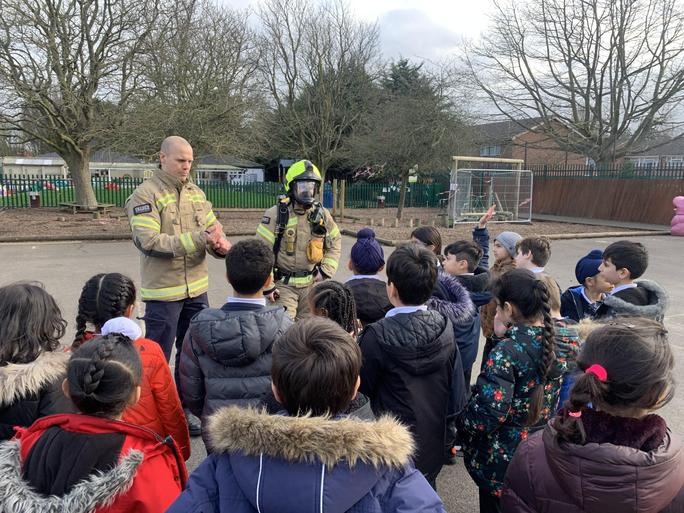
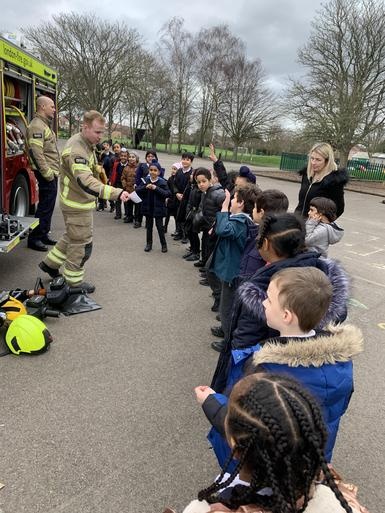
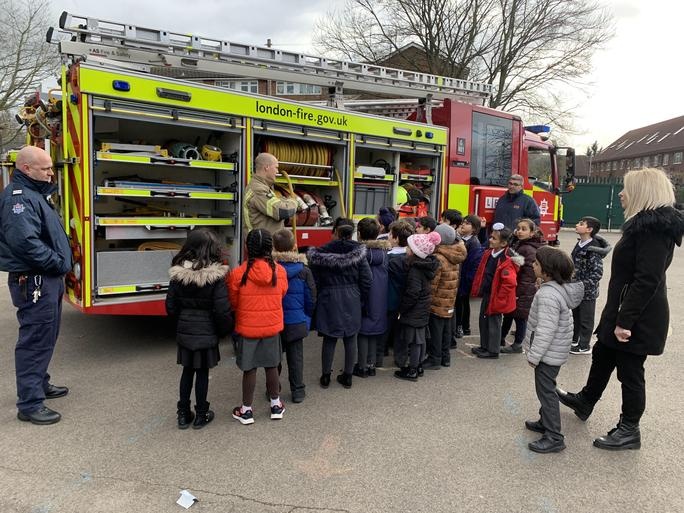
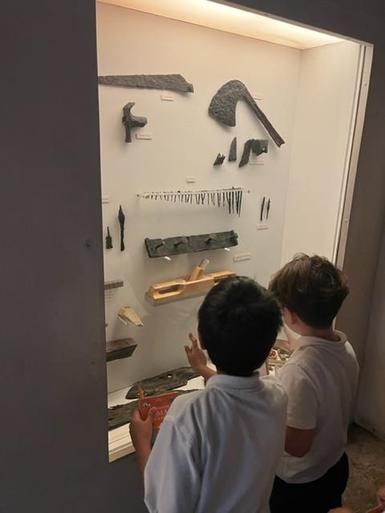
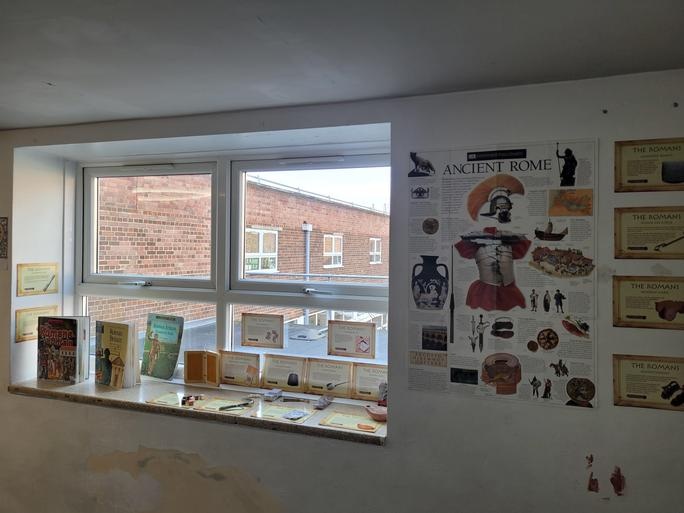
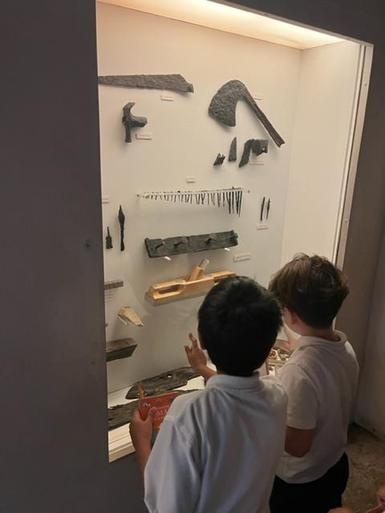
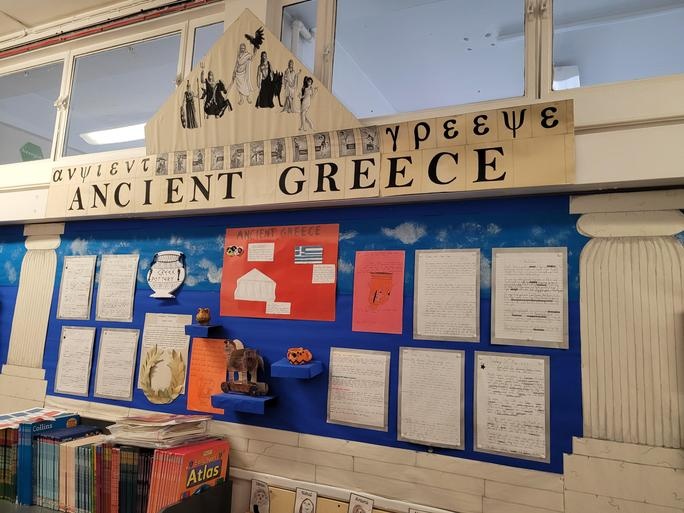
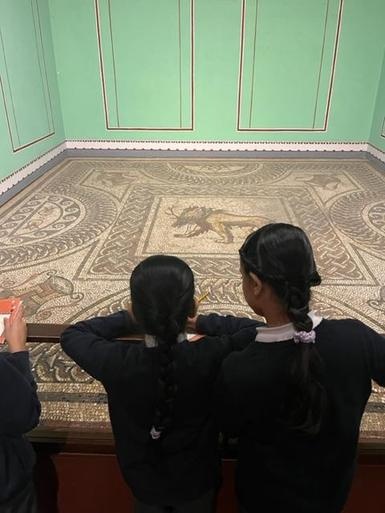
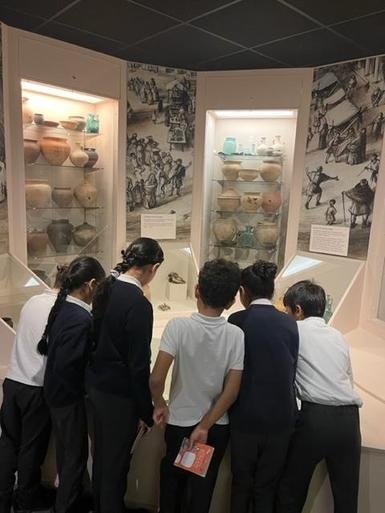
The curriculum is significantly enhanced through planned enrichment opportunities, including trips to places of historical significance, in-school workshops and historical dress-up days. These activities are designed to move learning beyond the classroom and make historical concepts memorable through hands-on, real-world experiences that boost academic engagement. These activities also help our pupils to develop vital
life skills like teamwork, confidence, independence, and resilience, while fostering social-emotional growth and broadening perspectives.
7. Cross-curricular enrichment
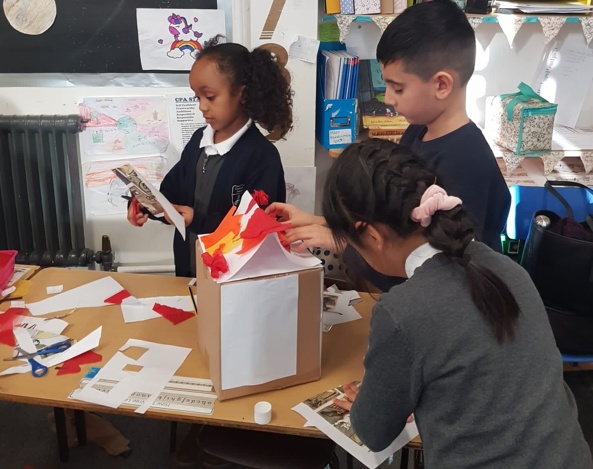
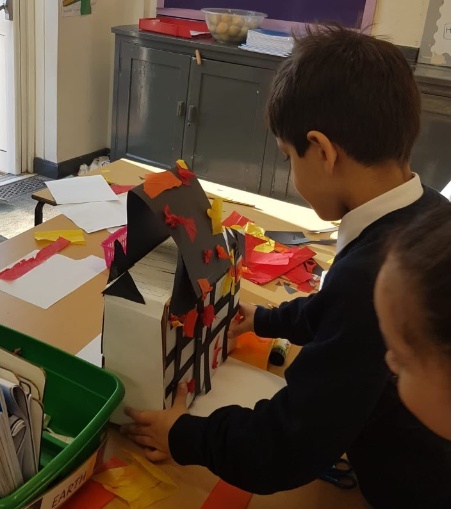
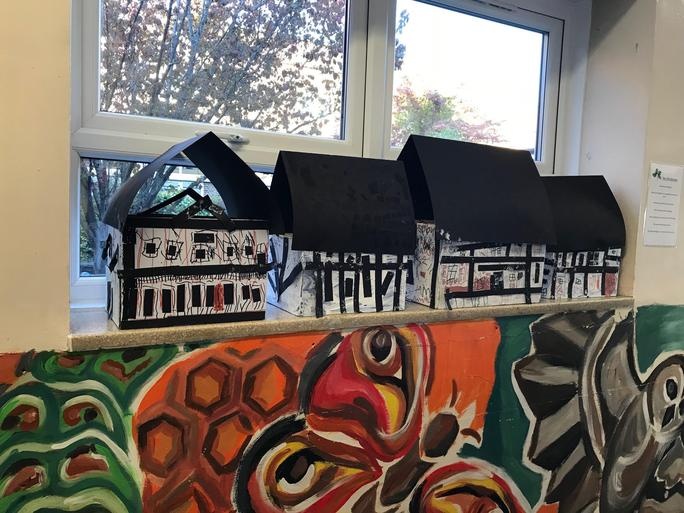
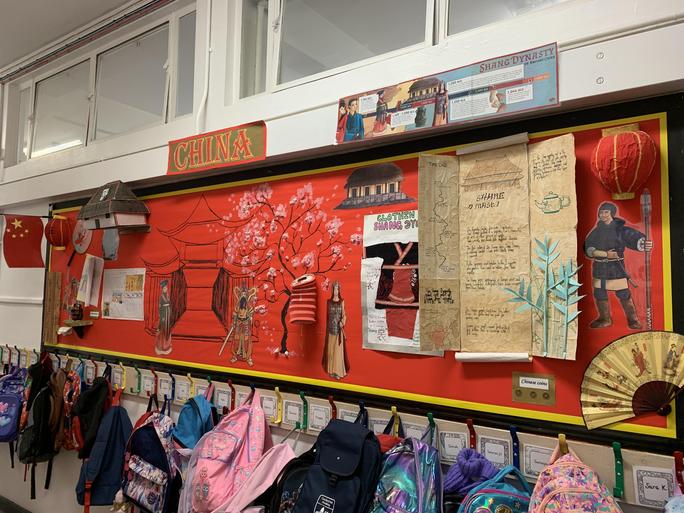
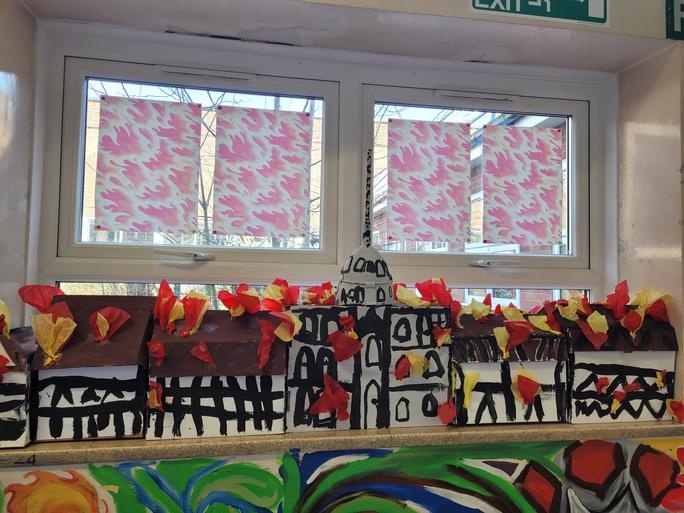
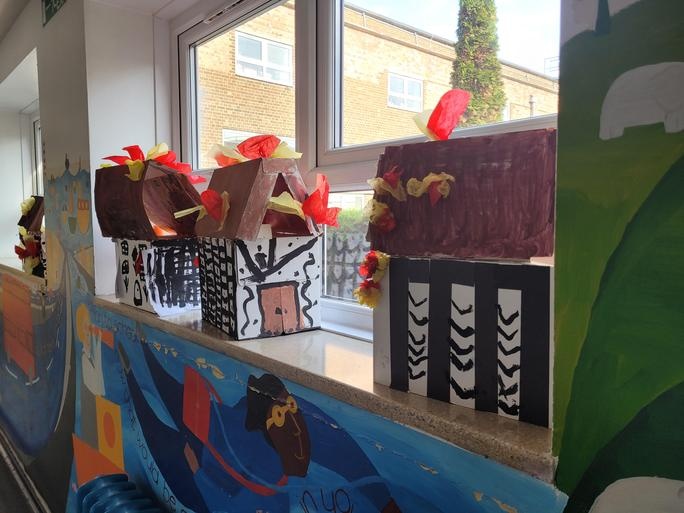
History learning is enhanced and strengthened through links with Science, Religious Education, Design Technology, Art and Computing, providing varied and rich opportunities for pupils to deepen understanding and communicate ideas creatively.
8. Assessment for learning
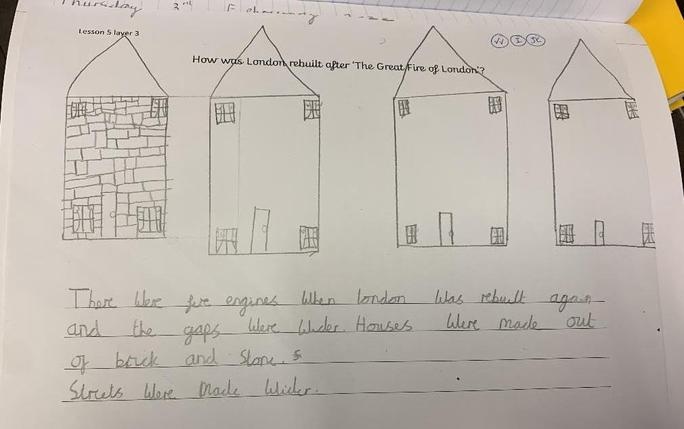
The impact of the scheme is constantly monitored and ensured through comprehensive formative and summative assessment opportunities embedded in every unit. These include low-stakes quizzes, observation of pupil collaboration, and the analysis of final enquiry outcomes, alongside specific unit skill catchers and knowledge assessment quizzes used at the end of each unit to track sustained progress and retention.
This assessment is then recorded on Insight, the school’s online assessment system, where children will be assessed against 3 criteria; emerging, meeting or exceeding expectations. Teachers make the judgment on which description best fits the pupil’s performance. Assessments are tracked to inform future planning and ensure all pupils
build secure historical understanding and knowledge over time.
Impact
The expected impact is that children leave Cranford Park Academy as knowledgeable, critical, and enquiring learners who can make informed and balanced judgments about the past.
Attainment: Children will successfully meet the relevant Early Learning Goals at the end of EYFS and achieve the end of Key Stage expectations outlined in the National Curriculum for History at the end of Key Stages 1 and 2.
Knowledge and Skills: Pupils will retain and build on prior, "sticky" knowledge, developing a historically-grounded understanding of core substantive concepts. They will understand how historians learn about the past and construct accounts. They will acquire and apply key disciplinary skills, enabling them to ask historically valid questions, analyse
sources, and form historical arguments based on cause and consequence, continuity, and change.
Global Understanding: Pupils will gain a secure knowledge and appreciation of the history of Britain (and how it has been influenced by the wider world) and the history of the wider world, including ancient civilisations and the achievements of humankind.
Attitudes: We believe that history is an ideal vehicle to develop the following attitudes:
● empathy
● wonder
● independence of thought
● open-mindedness
● enjoyment
● willingness to contribute
● imagination